Understanding our planet is an immensely complex endeavour that extends far beyond the physical sciences. While Earth System Sciences (ESS) provide crucial data such as climate projections, ecosystem monitoring, geophysical measurements, they cannot address global environmental challenges like climate change, biodiversity loss, and natural disasters in isolation. To develop realistic and actionable models, we must combine these observations with insights from the Social Sciences and Humanities (SSH), which reveal how individuals and communities perceive, use, and transform their environments. Meaningful environmental progress depends on bringing together physical sensor data and human perspectives. Yet historically, these two worlds have remained largely disconnected. This is where LUMEN steps in, building a meaningful bridge between them.
Human Observations as Environmental “Proxy Sensors”
A fundamental challenge in ESS is the limitation of instrumental data, which covers only a thin sliver of our planet’s environmental history. To reconstruct long-term planetary dynamics over centuries, researchers must draw on historical records as valuable sources of environmental evidence. Historical seismology offers a compelling example: by examining chronicles, newspapers, and archival documents, researchers reconstruct earthquakes that occurred before modern seismometers existed. Translating descriptions of ground shaking and damage into macroseismic intensity values allows them to map past events and improve seismic hazard assessments.
Human observations are equally vital for understanding present-day environmental changes. In citizen-science and community-based monitoring initiatives, residents and local practitioners act as “human sensors,” documenting phenomena poorly captured by conventional instruments such as recurrent flooding, coastal erosion, changes in water availability, or disappearance of locally observed species. These place-based observations, combined with satellite imagery and climate models, reveal local vulnerabilities and inform adaptation strategies. Integrating local knowledge with scientific expertise improves disaster-risk reduction by exposing lived impacts and contextual factors that might otherwise remain invisible.
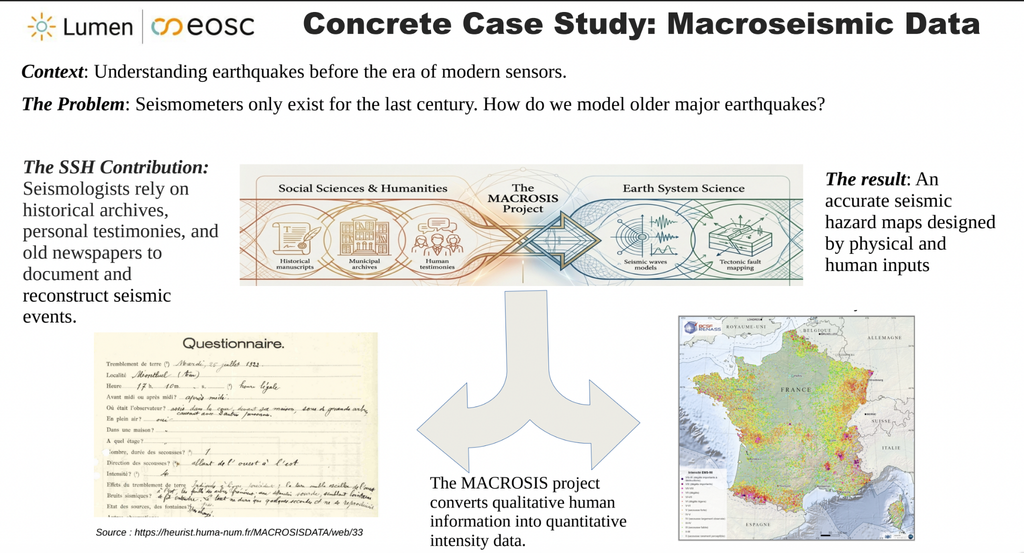
Picture 1: Concrete Case Study: Macroseismic Data
The Silent Barrier: Disciplinary Silos and Semantic Gaps
Despite its value, this interdisciplinary approach remains difficult to implement. Discovering and integrating SSH resources into Earth System Sciences research is often slow and manual. Relevant data are scattered across disciplinary repositories, described with heterogeneous metadata, and stored in disconnected systems, making valuable resources hard to find or reuse.
Semantic alignment presents another challenge. Earth and social scientists may use the same terms while assigning them different meanings. Take vulnerability: in ESS, it is defined quantitatively as the propensity of a biophysical system to incur damage from a climatic hazard. In SSH, it is primarily social, political, and structural—referring to inequalities in the capacity to cope with, absorb, and transform in response to climate shocks.
Overcoming these barriers requires more than making datasets available. Researchers need interoperable metadata models, aligned vocabularies, standardised discovery entry points, and search services capable of returning context-aware results across disciplinary boundaries.
LUMEN’s Blueprint: Federated Autonomy and Integrated Services
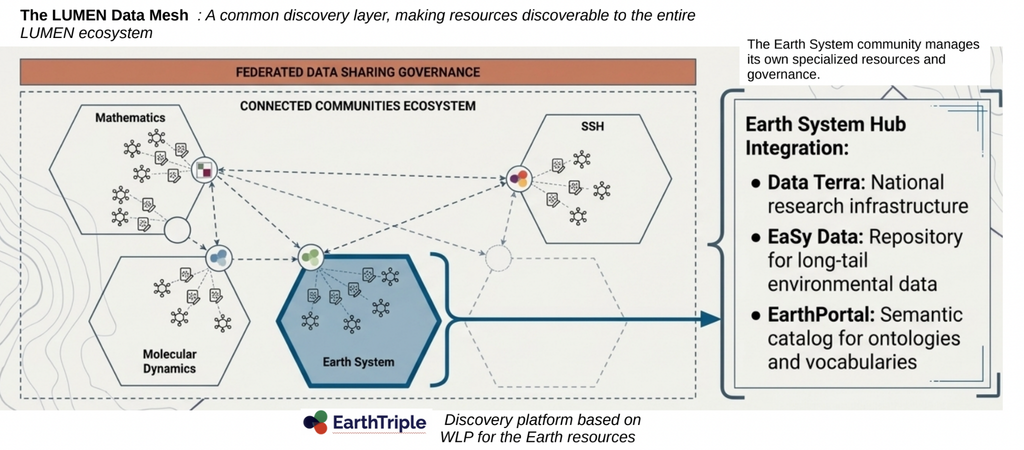
Picture 2: Earth System Hub in Federated Data Sharing Governance of LUMEN Data Mesh
LUMEN addresses these challenges through a common discovery layer built on a Data Mesh architecture. Rather than imposing a single, rigid database, this framework allows specialised platforms to retain domain-specific autonomy while being federated under unified discovery infrastructure. The ecosystem respects community sovereignty: each discipline manages its own resources and governance.
Within this model, dedicated platforms like GoTriple (for SSH) participate fully while preserving their identity. Through LUMEN’s White-Label Platform, communities can deploy their own FAIR-compliant catalogues—such as EarthTriple for Earth System Sciences.
LUMEN also deploys core interlinked services. LUMIS (LUMEN Infrastructure for Semantics) enables creation, mapping, and sharing of vocabularies and ontologies across disciplines. The LUMEN Metasearch Engine allows researchers to discover diverse cross-domain resources through a single query. Finally, AIDA (AI-Driven Discovery Assistant) helps researchers navigate massive multidisciplinary datasets, summarising results and surfacing non-obvious correlations.
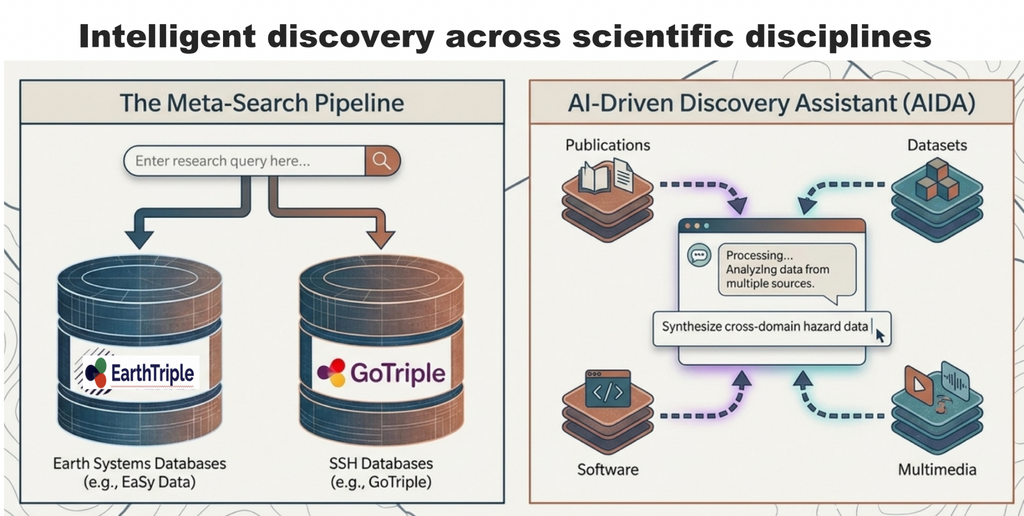
Picture 3: Meta-Search Pipeline and AIDA
A Catalyst for Transformative Science
LUMEN delivers decisive added value by transforming theoretically desirable interdisciplinarity into operational, scalable practice. By combining a Data Mesh architecture with integrated semantic discovery services, LUMEN enables Earth scientists to access previously invisible SSH resources through a single entry point. Its capacity to harmonise vocabularies (via LUMIS), jointly query catalogues (via Metasearch), and intelligently navigate corpora (via AIDA) makes LUMEN more than technical infrastructure: it is a catalyst for transformative science. By rendering human dimensions findable, accessible, interoperable, and reusable alongside physical data, LUMEN supports environmental models that are not only more complete—but also more grounded in lived realities and socially relevant.
This blog post was written by Christelle Pierkot.
Disclaimer: The graphics were generated with the assistance of AI and reviewed by the project team.